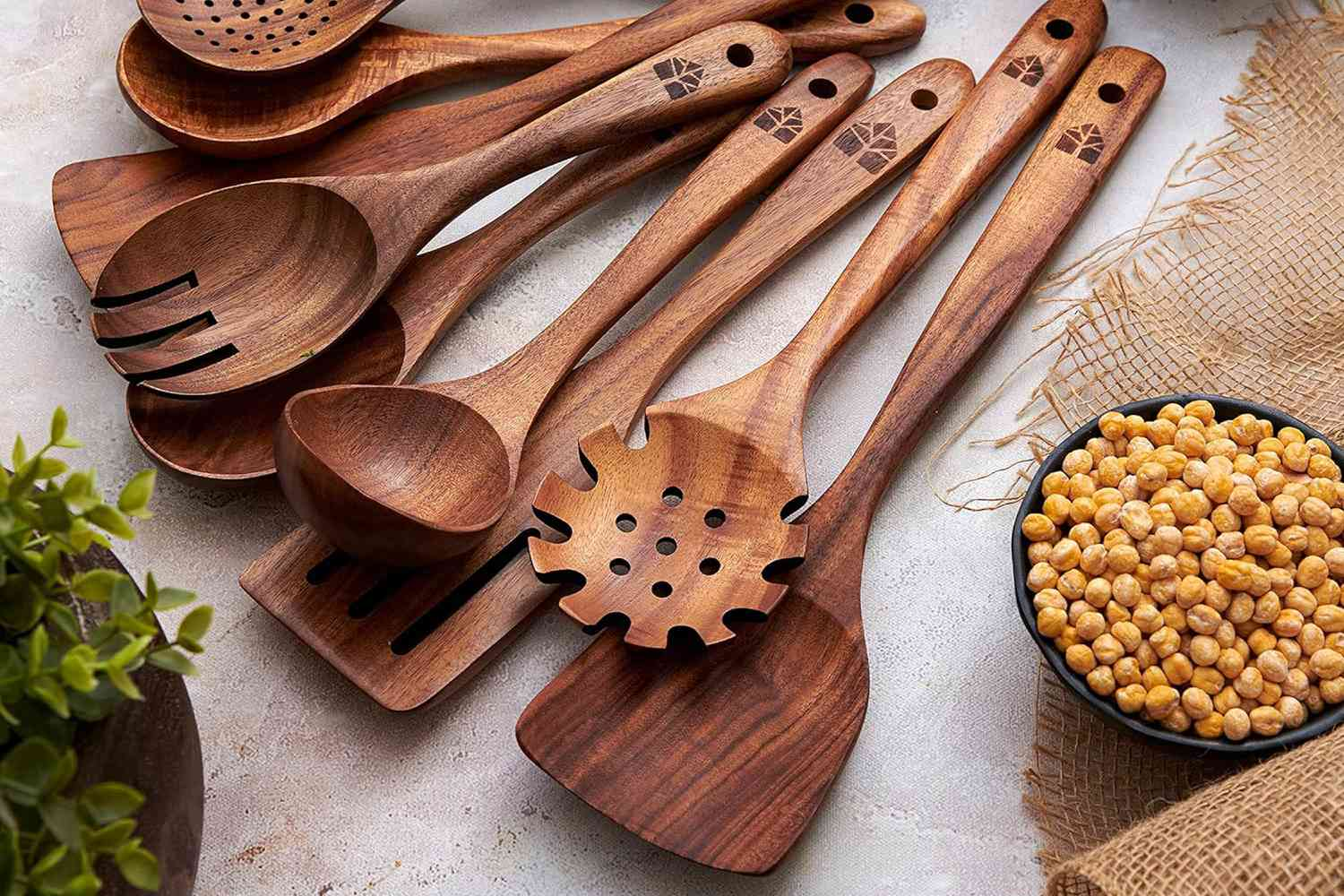
Wooden pieces are not delicate, but they are organic. They respond to their environment — expanding slightly in humid months, contracting in dry winters, absorbing oil when thirsty, darkening with age and handling. Understanding this makes caring for your piece straightforward.
The one thing you must do: oil it
All Crafteve pieces are finished with food-safe mineral oil. This oil nourishes the wood, provides light moisture resistance, and keeps the grain looking rich and alive. Over time, the oil naturally evaporates and is absorbed deeper into the wood. When a piece starts to look pale or dry — almost chalky — it is time to re-oil.
How to oil: apply a small amount of food-safe mineral oil (available at any kitchen supply store) to a clean cloth and rub it into the wood in the direction of the grain. Let it soak in for 15–20 minutes, then wipe off the excess. That is it. Most pieces need oiling once or twice a year with regular use.
Kitchenware: special considerations
Serving trays, boards, and organisers that come into contact with food should never be washed in a dishwasher. The combination of heat, high-pressure water, and detergent will raise the grain, strip the oil finish, and over time cause cracking.
Hand-wash with mild soap and warm water. Dry immediately with a cloth — do not leave standing in water. Re-oil after washing if the wood feels dry.
Chess sets and game pieces
Chess pieces rarely need oiling — they are handled constantly, and the natural oils from hands condition them over time. If a piece looks dry, a very light application of mineral oil on a cloth is enough. The board itself should be oiled once or twice a year.
Store chess pieces in the box or a cloth pouch. Loose pieces rolling in a drawer get dinged. The felt bases protect the board from scratches, but heavy objects placed on the board will leave marks.
What to avoid
- Dishwasher — never, for any wooden piece
- Prolonged soaking in water
- Direct heat sources (hot stoves, windowsills in direct summer sun)
- Harsh chemical cleaners or bleach
- Oil-based polishes not listed as food-safe (for kitchenware especially)
Humidity and seasonal movement
Wood is hygroscopic — it absorbs and releases moisture from the air. In humid monsoon months, wooden boards may expand very slightly. In dry winter months, they contract. This is normal and will not damage a well-made piece. However, keeping pieces near air conditioning vents (which create very dry air) for prolonged periods can cause surface checking. A light annual oiling helps buffer seasonal movement.
Questions about your piece?
If your piece needs repair or re-finishing advice, reach out to us directly — we are happy to help.
Contact the workshop